Skip to content

More than Silk on the Silk Roads: Sogdians and Cultural Exchange Across Eurasia

Discussion of teaching the Silk Roads

Bram Hubbell
Bram Hubbell
3 min read
More than Silk on the Silk Roads: Sogdians and Cultural Exchange Across Eurasia
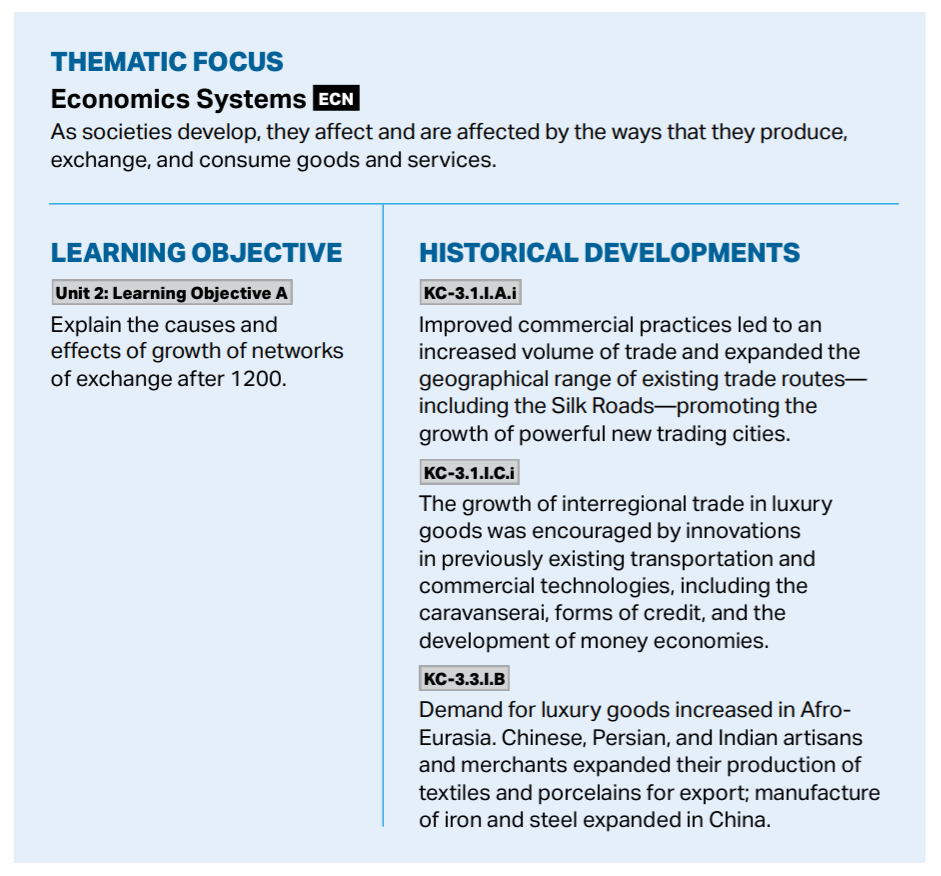
From page 54 of the AP World History Course and Exam Description.

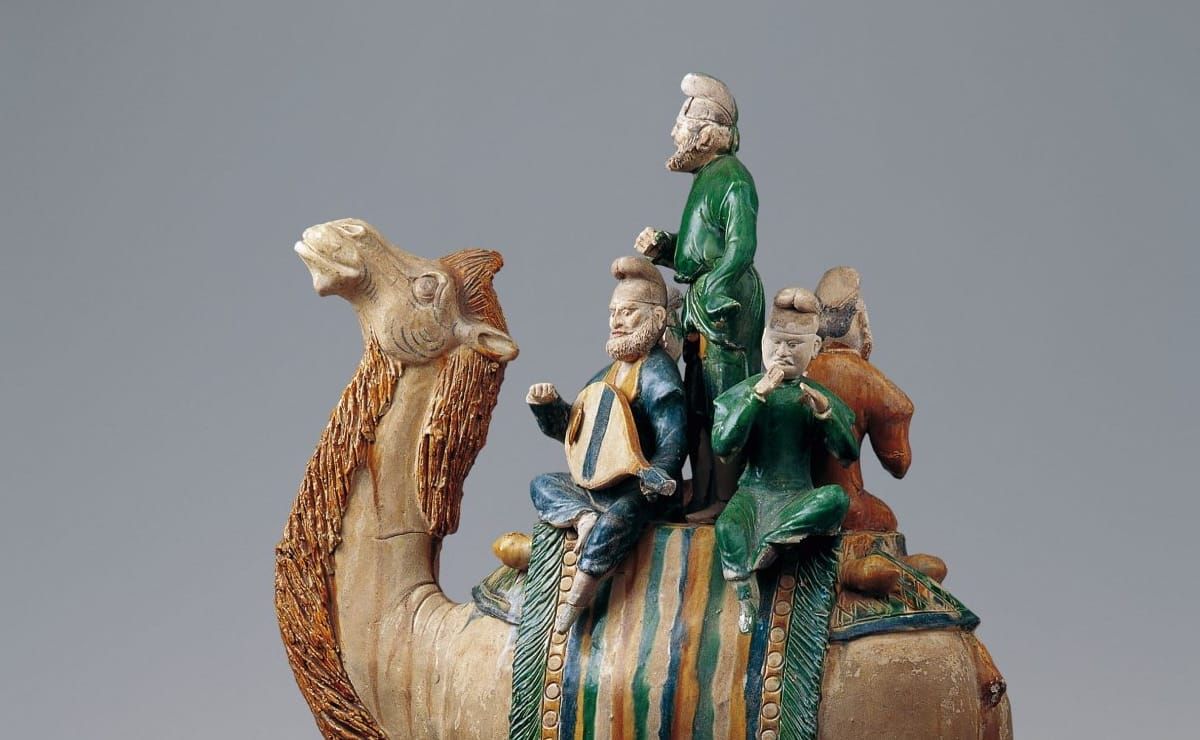
Too often, teaching the Silk Roads means focusing on how goods moved between societies at either end of the Silk Roads. While understanding how Chinese silk reached the Mediterranean is important, I often think that the focus on the edges of Eurasia, while overlooking the societies in Central Asia, is similar to the tendency of coastal Americans to refer to the middle of the country as ‘flyover states’. We know people live in the middle of these landmasses, but we focus more on the coastal edges. Ask yourself when was the last time you focused on the critical role of the Sogdians in facilitating trade across Eurasia?

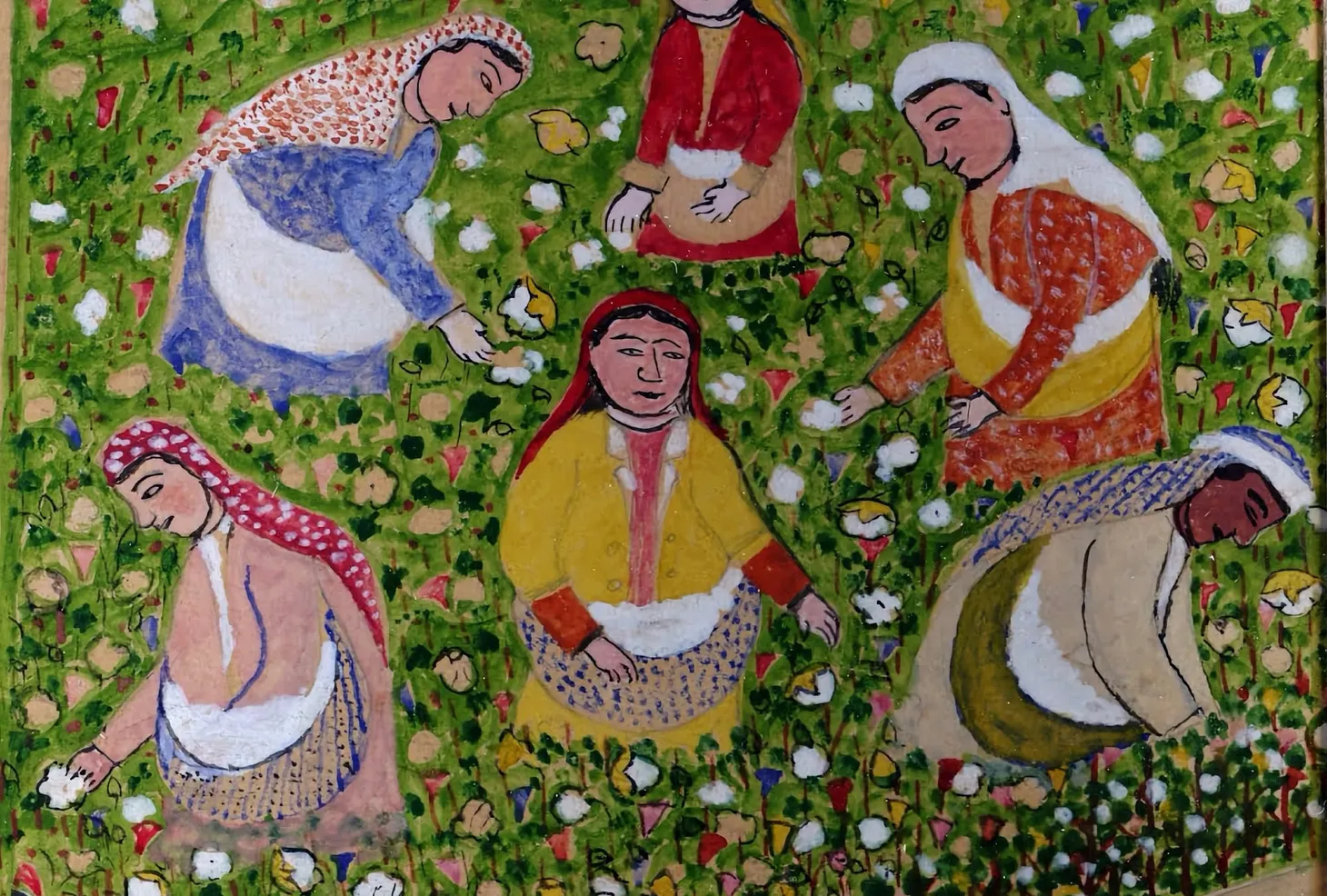
Source: Our Art Corner.

The Sources


Related Posts

Members Public

“A Situation of Complete Inertia and a Widespread Apathy”: Teaching Everyday Resistance to French Imperialism in Senegal in the 1920s and 1930s

What were the weapons of the weak in French Senegal?

“A Situation of Complete Inertia and a Widespread Apathy”: Teaching Everyday Resistance to French Imperialism in Senegal in the 1920s and 1930s
Members Public

“Hunger Was the Word I Heard Most”: Stalin’s First Five-Year Plan and Its Consequences

Discussion of teaching the Holodomor using primary sources

“Hunger Was the Word I Heard Most”: Stalin’s First Five-Year Plan and Its Consequences
Members Public

The Changing Role of Government Involvement in the Economy in the 1930s

Teaching how states worldwide took a more active approach to directing economic development in the 1930s

The Changing Role of Government Involvement in the Economy in the 1930s