“Death Came Suddenly to the Brave Troops and Valiant Cossacks”: Indigenous Resistance to Russian Expansion in Siberia
The Russian “conquest” of Siberia regularly encountered Siberian resistance

In my introduction to teaching Russian history in world history courses, I argued that we should approach Russian history by contextualizing it within global patterns. Muscovy expanded and transformed into the Russian Empire during the Early Modern era (c.1450 - c.1750). As with many other empires in this period, many maps show one group of people “conquering” many others. The two maps below tell a simple story of Russian conquest. The maps suggest that over the course of three centuries, Muscovy swallowed up thousands of miles of territory and many different ethnic groups. Without a hiccup, Russia emerged, but was it that simple?
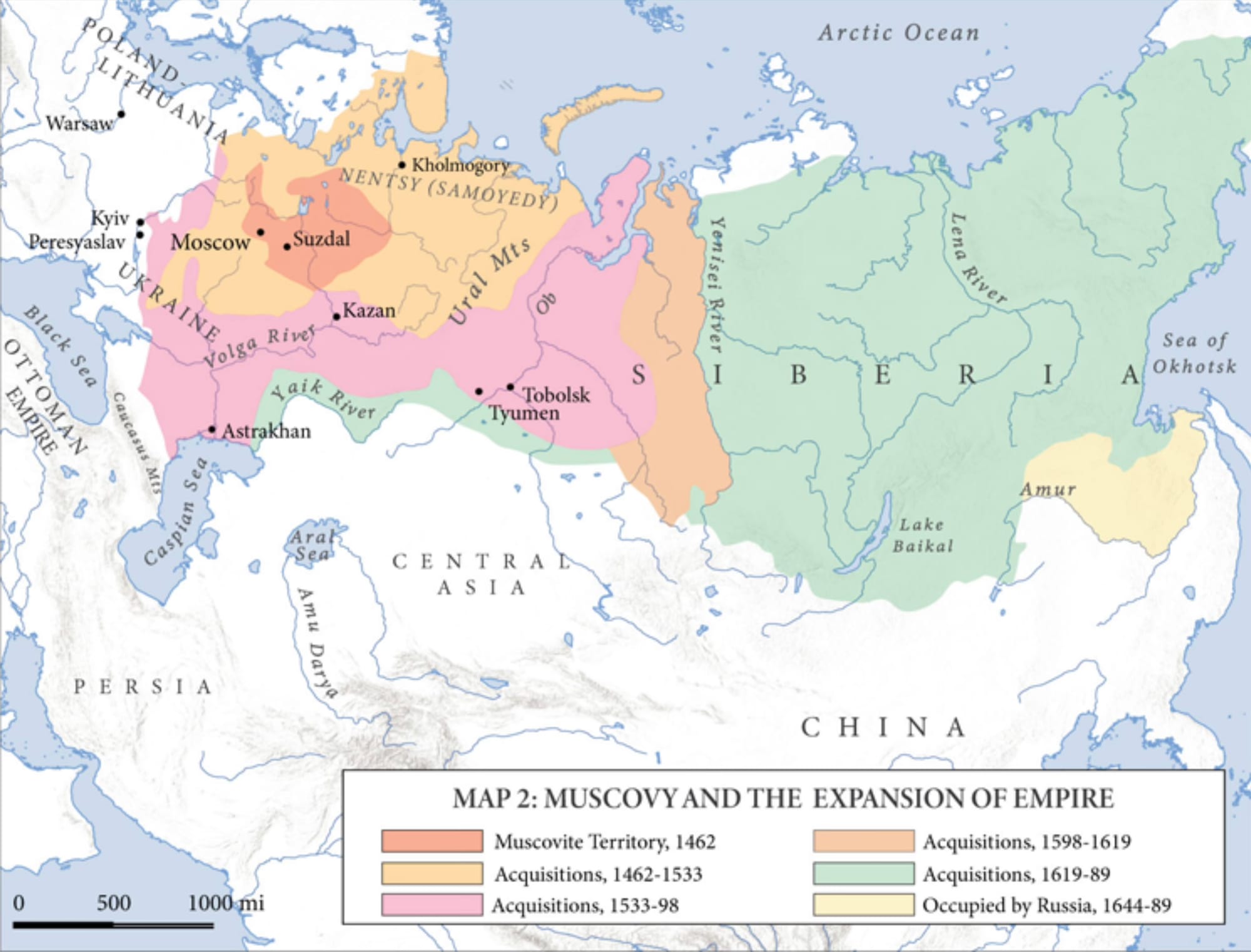
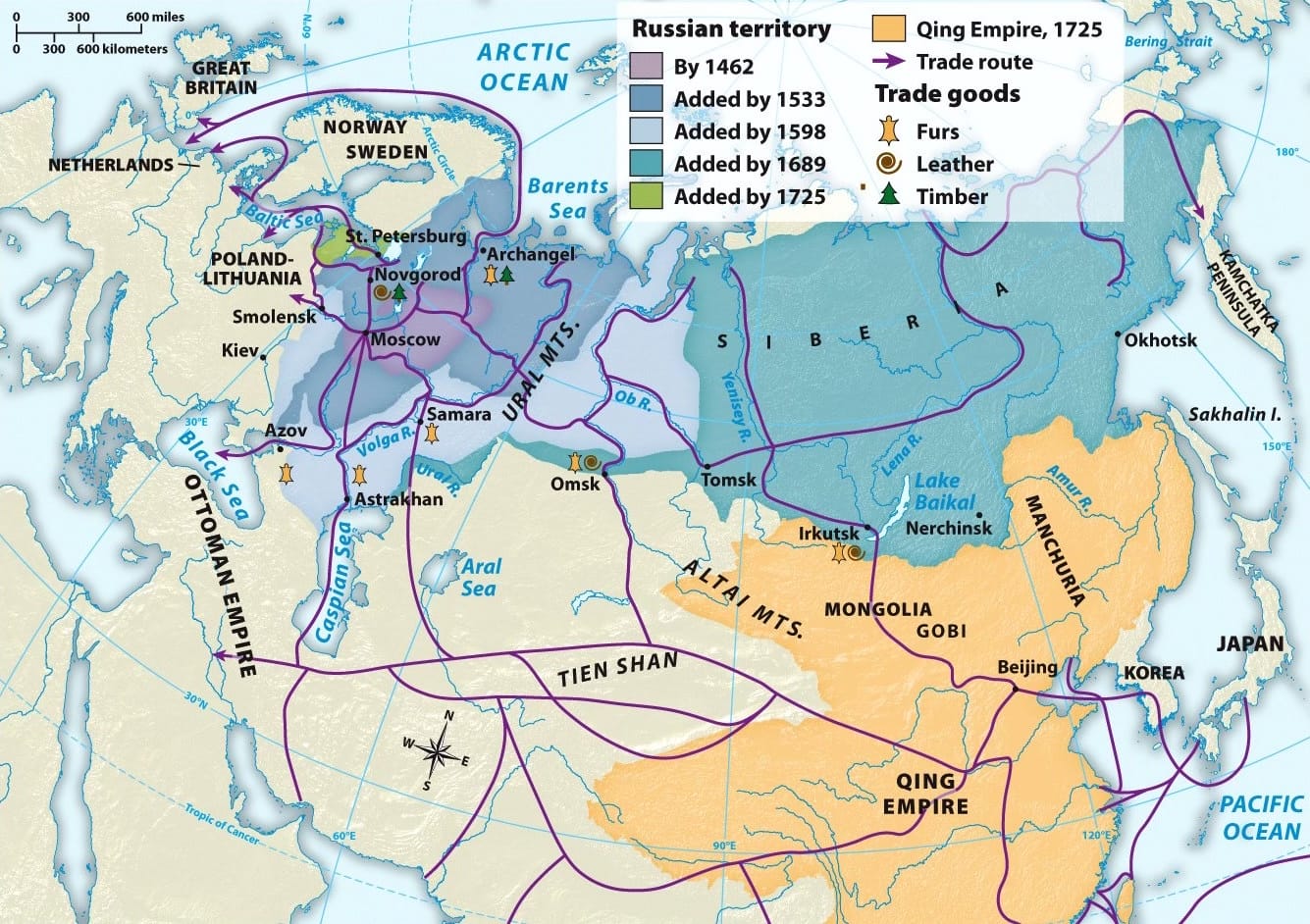
Left: From Muscovy to the Russian Empire. Source: Picturing Russian Empire. Right: Russian Expansion to 1725. Source: A History of World Societies.
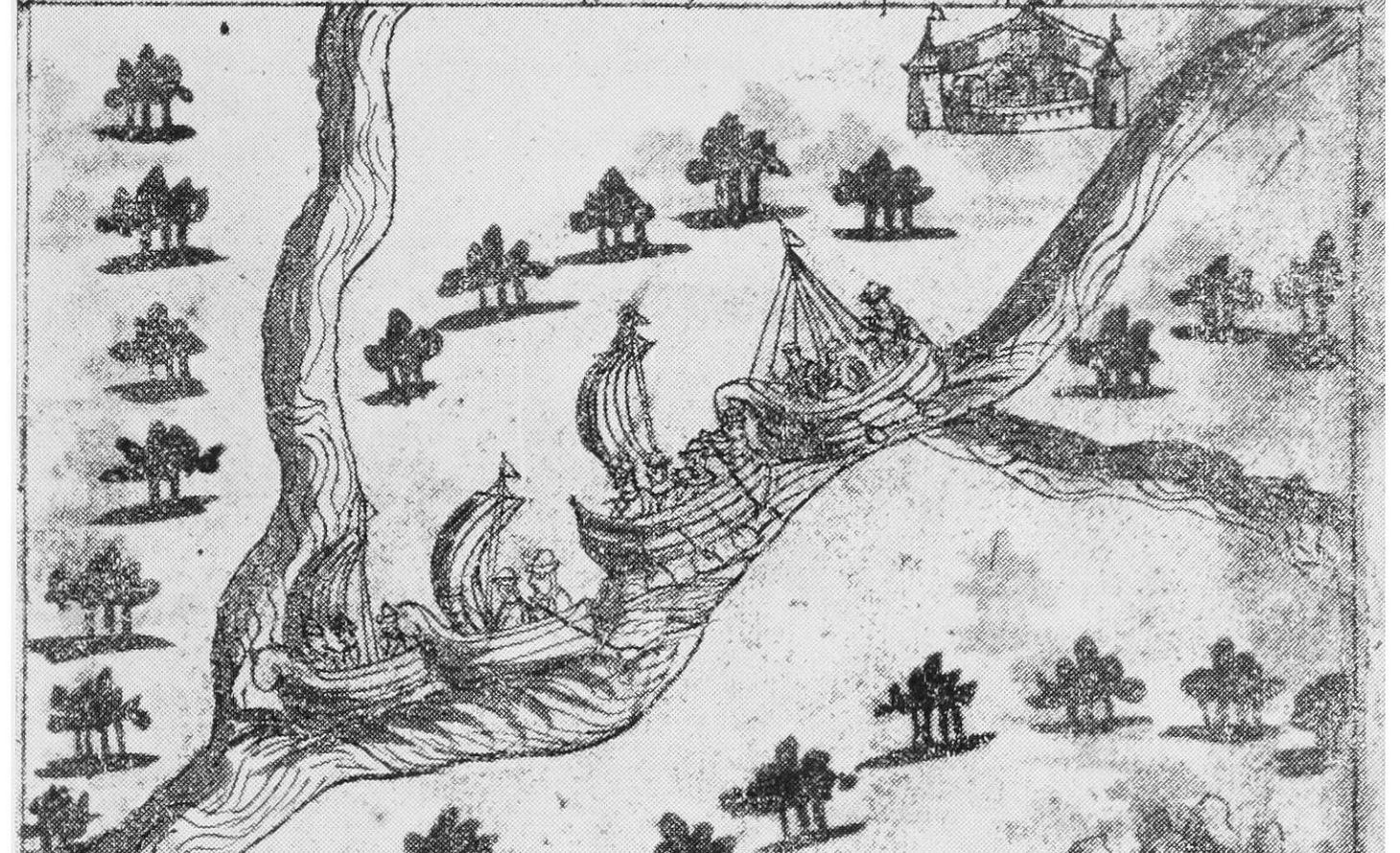
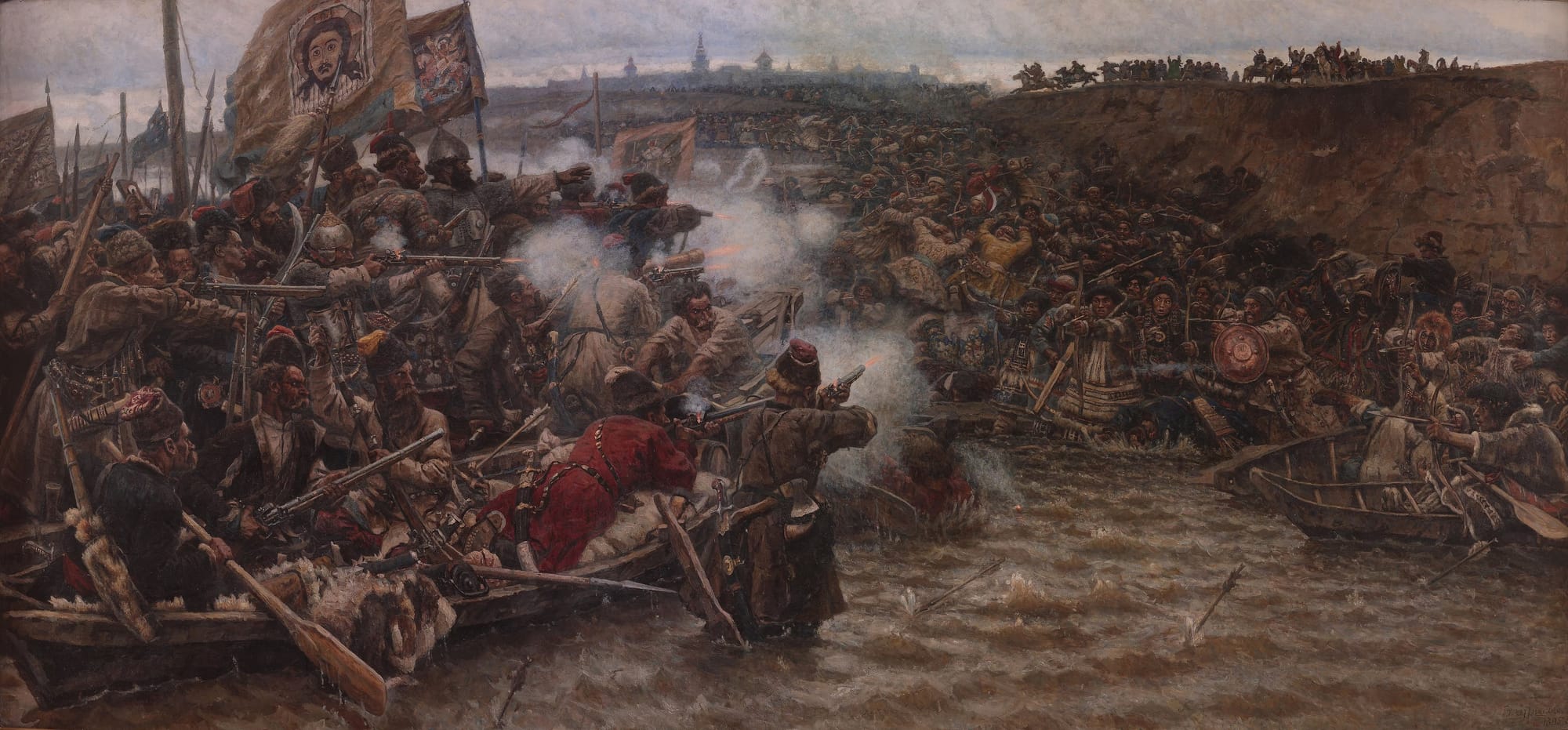
In 2020, I wrote an essay about sixteenth- and seventeenth-century Indigenous and African resistance in the Americas. Despite bold claims about conquest, it took the Spanish and the Portuguese much longer to truly conquer the Americas. Indigenous Americans and enslaved Africans repeatedly revolted and challenged the Portuguese and Spanish. If we look at the Russian “conquest” of Siberia, we find a similar phenomenon. The Russians boldly claimed they “conquered” the region, but indigenous Siberians repeatedly fought back. Even when we focus on Yermak Timofeyevich, the Cossack often credited as being one of the first “conquerors” of Siberia, the story is more complex. It shows how indigenous Siberians resisted Russian advances.
The Surprising Story of Yermak Timofeyevich in the Siberian Chronicles
This content is for Paid Members
Unlock full access to Liberating Narratives and see the entire library of members-only content.
SubscribeAlready have an account? Log in