“Nuclear Free and Independent Pacific”: Teaching Decolonization and the Cold War in the Pacific
Discussion of teaching decolonization in Oceania

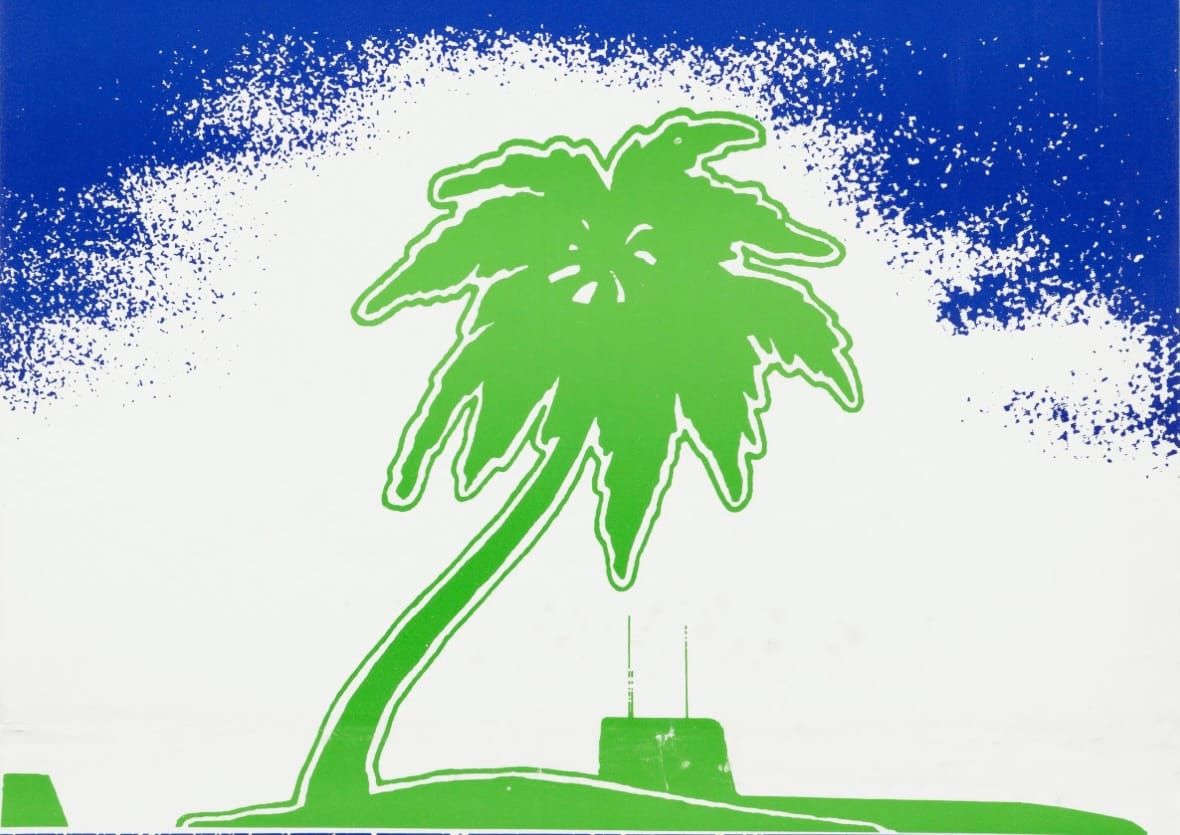
One of the unfortunate tendencies in teaching world history in the United States is that Oceania is an afterthought. Colleagues and I used to joke that if we had more than one snow day, our planned lessons on Oceania would be the first to go. For two years, I taught with a history teacher from Australia. We had some great conversations about Pacific history. Even he had no problem when a blizzard in early December meant jettisoning Captain Cook and the colonization of Australia. I also recall dozens of world history teachers joking about not needing to teach about Oceania since it will never be on the test.
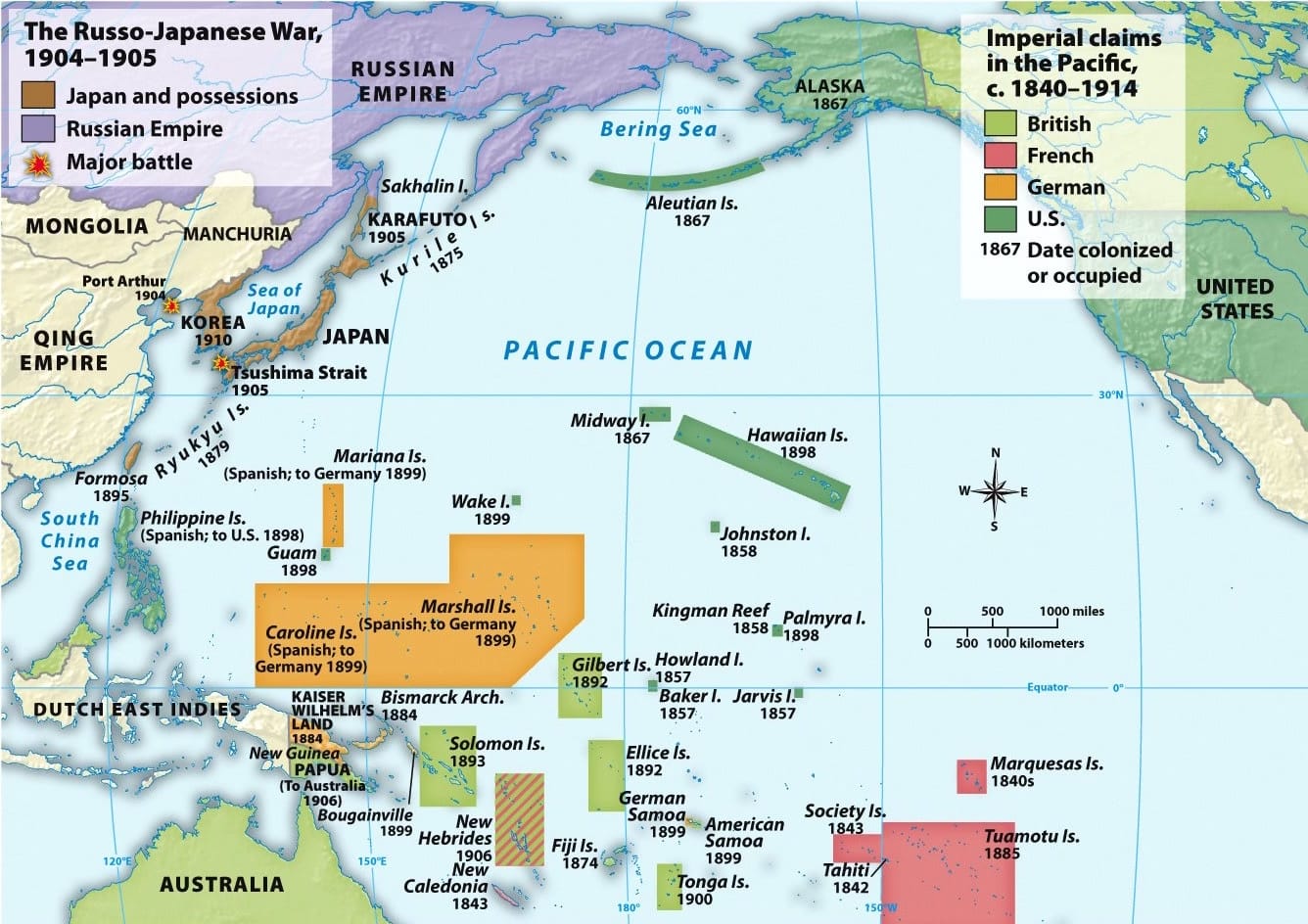
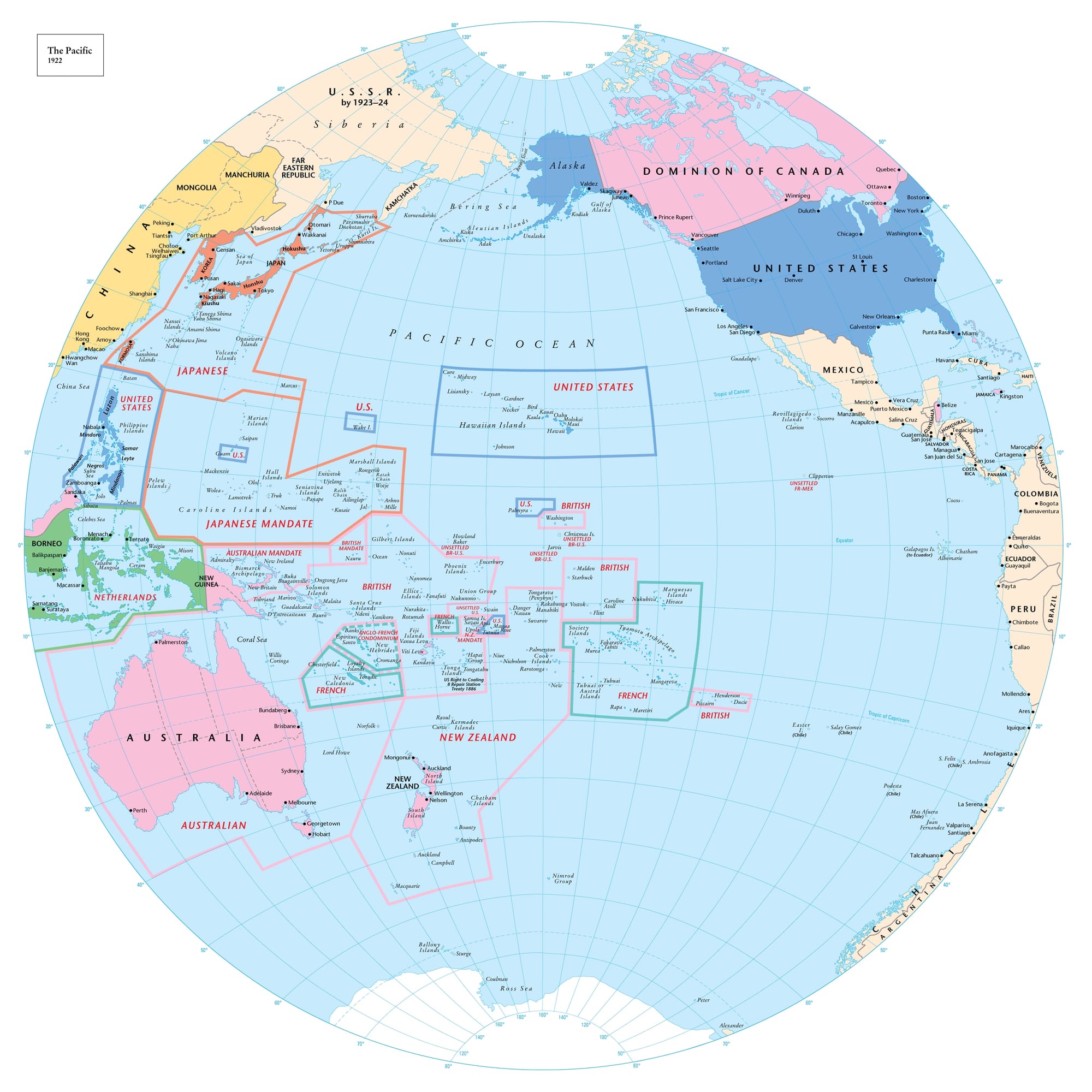
Left: Pacific Imperialism, c.1840 - 1914. Source: A History of World Societies. Right: Pacific Imperialism, 1922. Source: The Map Archive.
Our flippant attitude to teaching Oceania speaks to Eurocentric assumptions about what matters in world history. We are constantly fighting against the legacies of White European history. Oceania is often an afterthought, even when we’re trying to be more inclusive in our teaching and scholarship. When I wrote about decolonization, I looked at lots of recent scholarship on decolonization. Few books or articles even mentioned decolonization in Oceania, much less devoted any space to writing about it. And even though I spent two months writing posts about decolonization, I didn’t discuss Oceania. In this post, I plan to discuss what I liked about those posts and how we can meaningfully integrate Pacific Islanders into our teaching of decolonization.
What I Like
This content is for Paid Members
Unlock full access to Liberating Narratives and see the entire library of members-only content.
SubscribeAlready have an account? Log in