AP World Unit 4
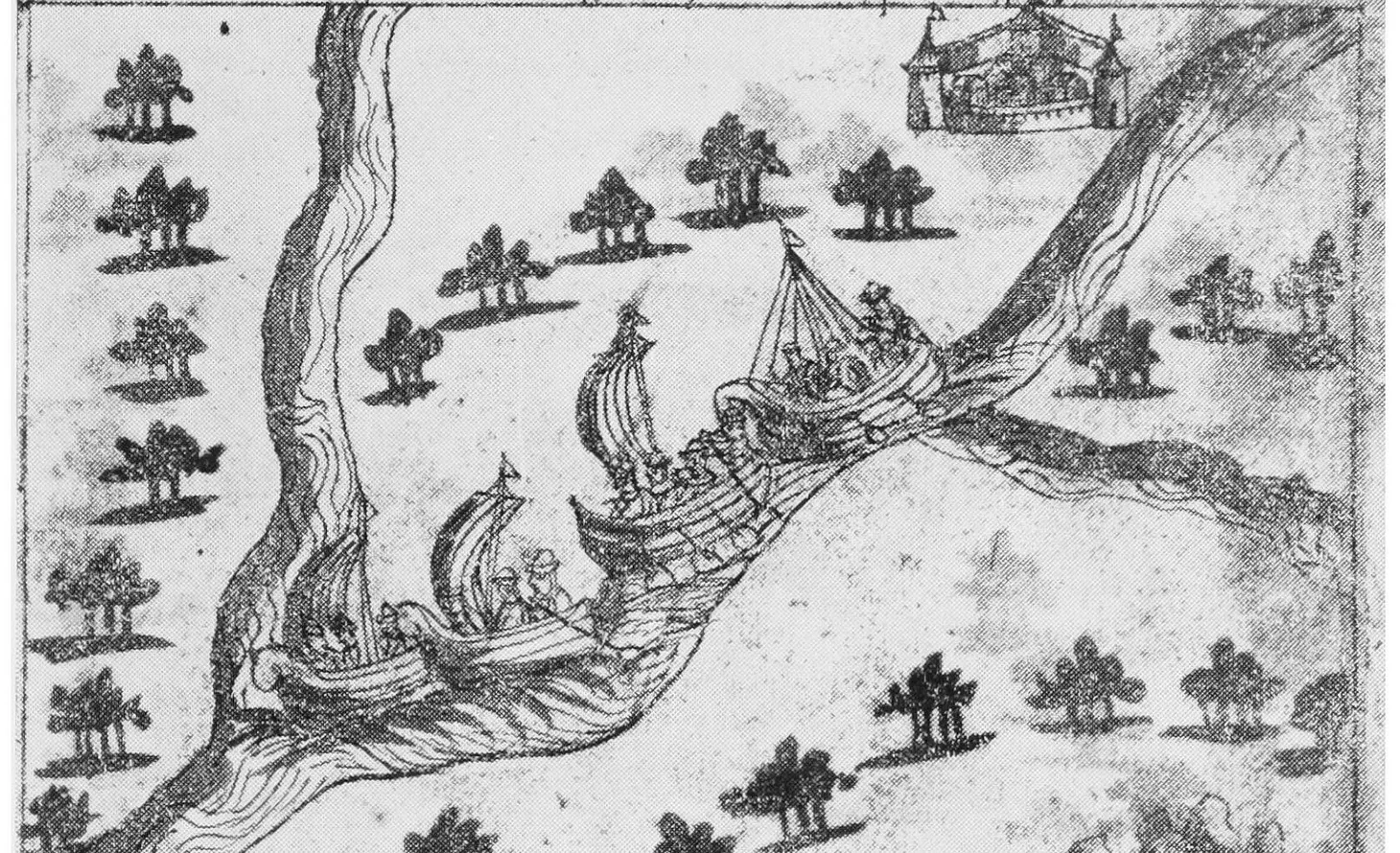
“Death Came Suddenly to the Brave Troops and Valiant Cossacks”: Indigenous Resistance to Russian Expansion in Siberia
The Russian “conquest” of Siberia regularly encountered Siberian resistance
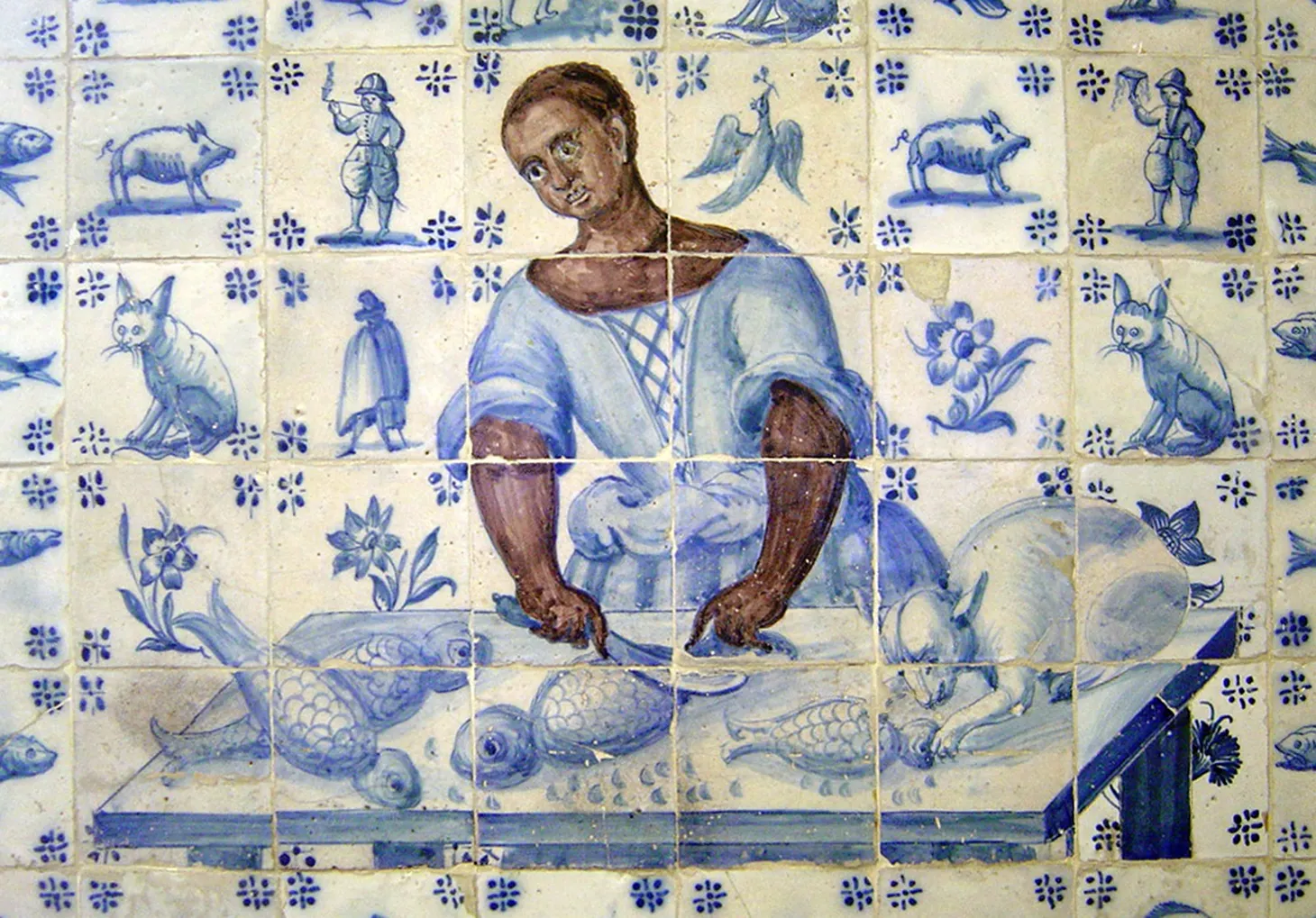
Narrating the Global History of Lisbon
Lisbon is more than a European city; it’s also an African and Asian city
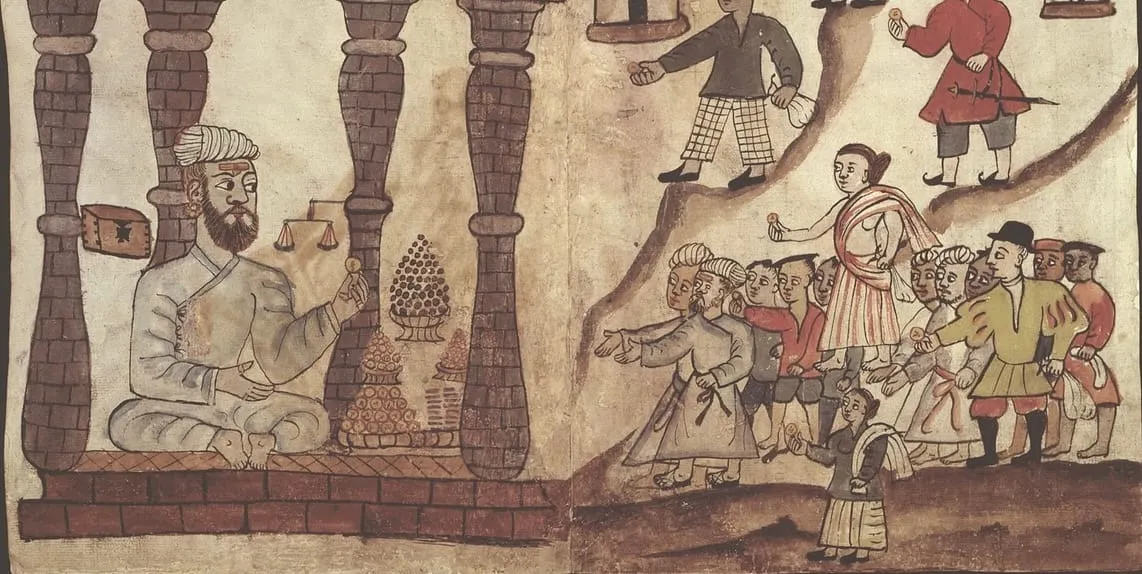
“These People Have the Cream of the Trade”: Gujaratis’ Continued Influence after the Arrival of Europeans
The Portuguese acknowledged the continued dominance of Gujarati traders
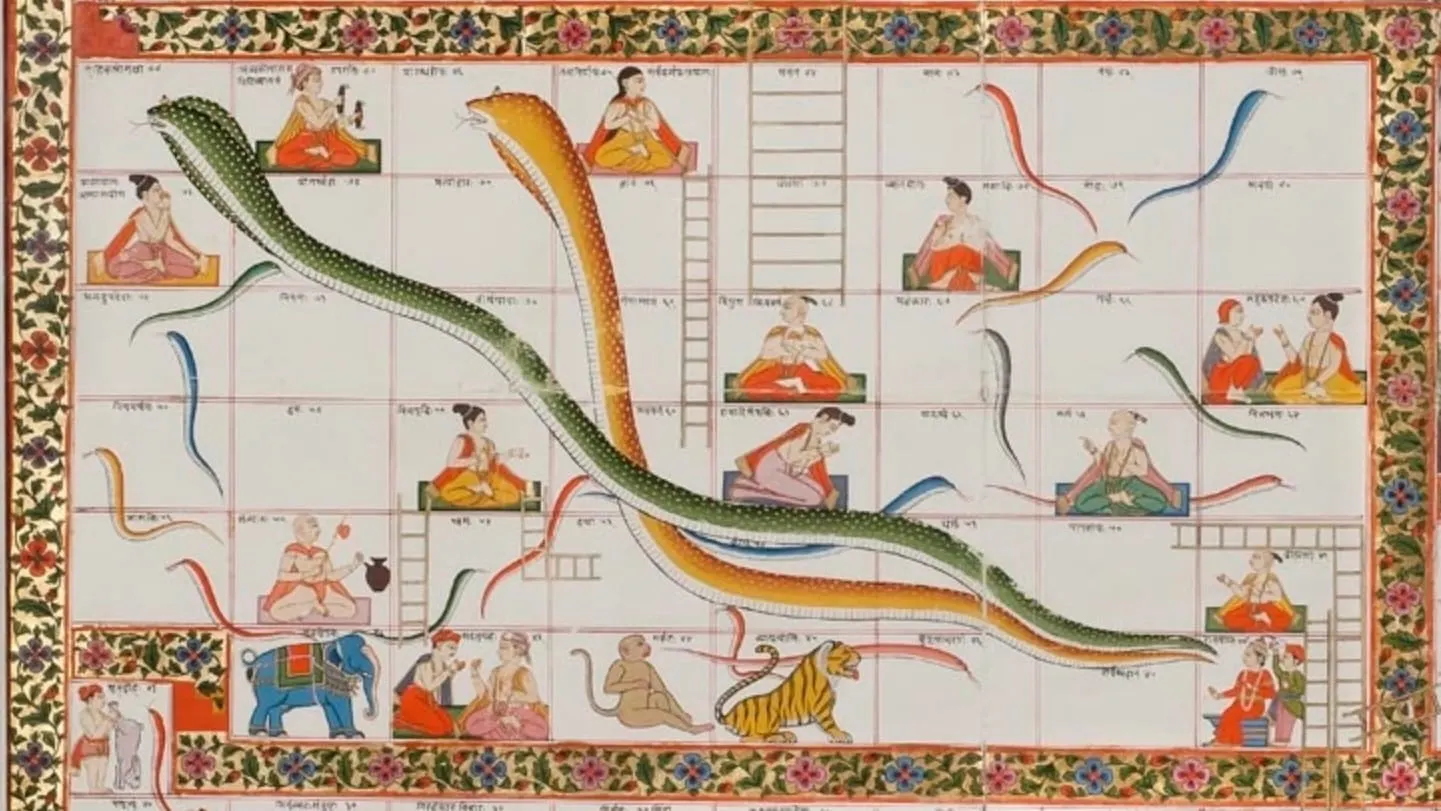
“A Very Pleasant Game”: Teaching the South Asian Cultural Mosaic with Snakes & Ladders
Teaching the diversity of South Asia through Snakes and Ladders
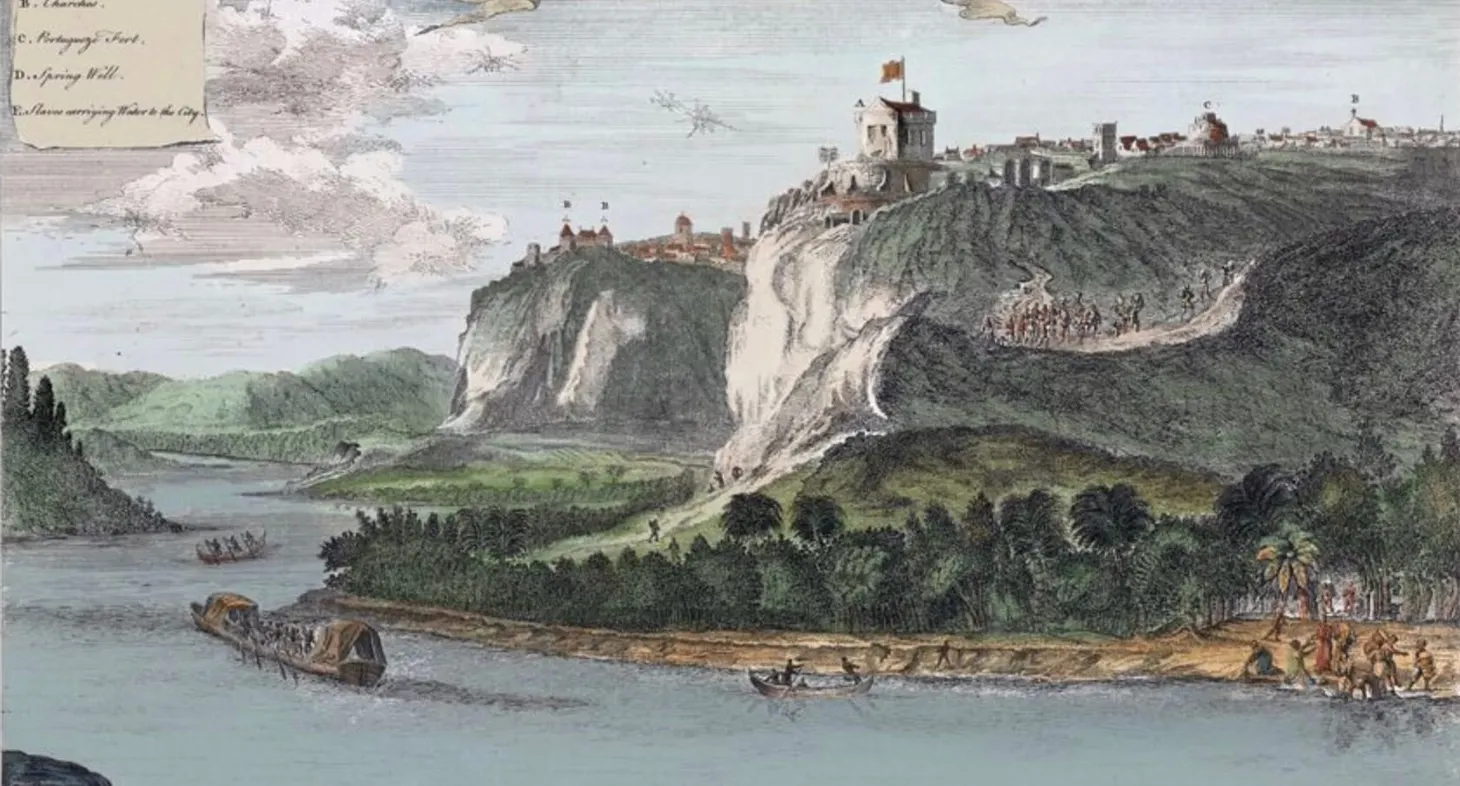
“We Decreed by Law”: Regulating the Slave Trade in Sixteenth-Century Kongo
Teaching how the rulers of Kongo regulated the slave trade
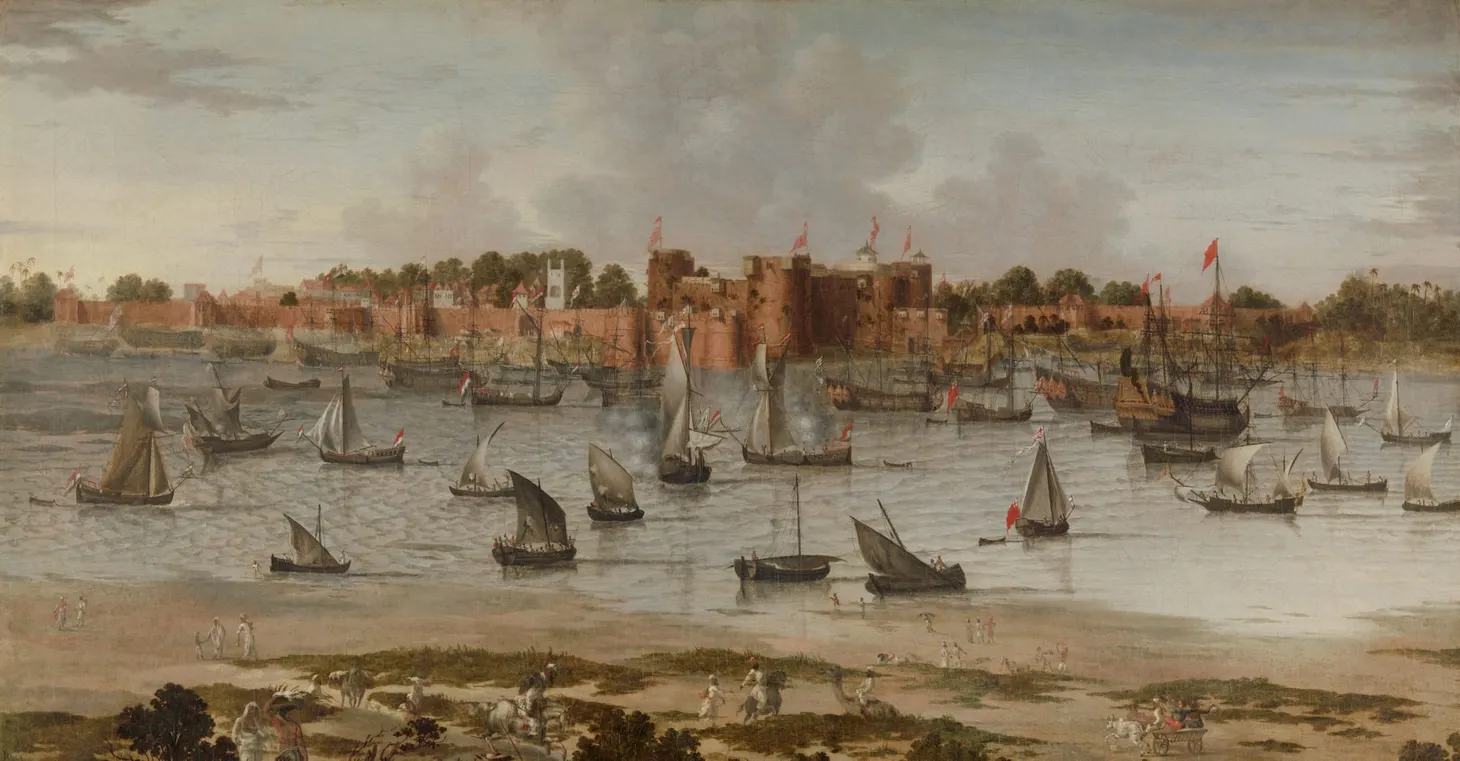
“Walk by the Ancient Customs of the Port”: Limits on English Trade in India in the 1600s
In the 1600s, the English EIC adapted more than conquered
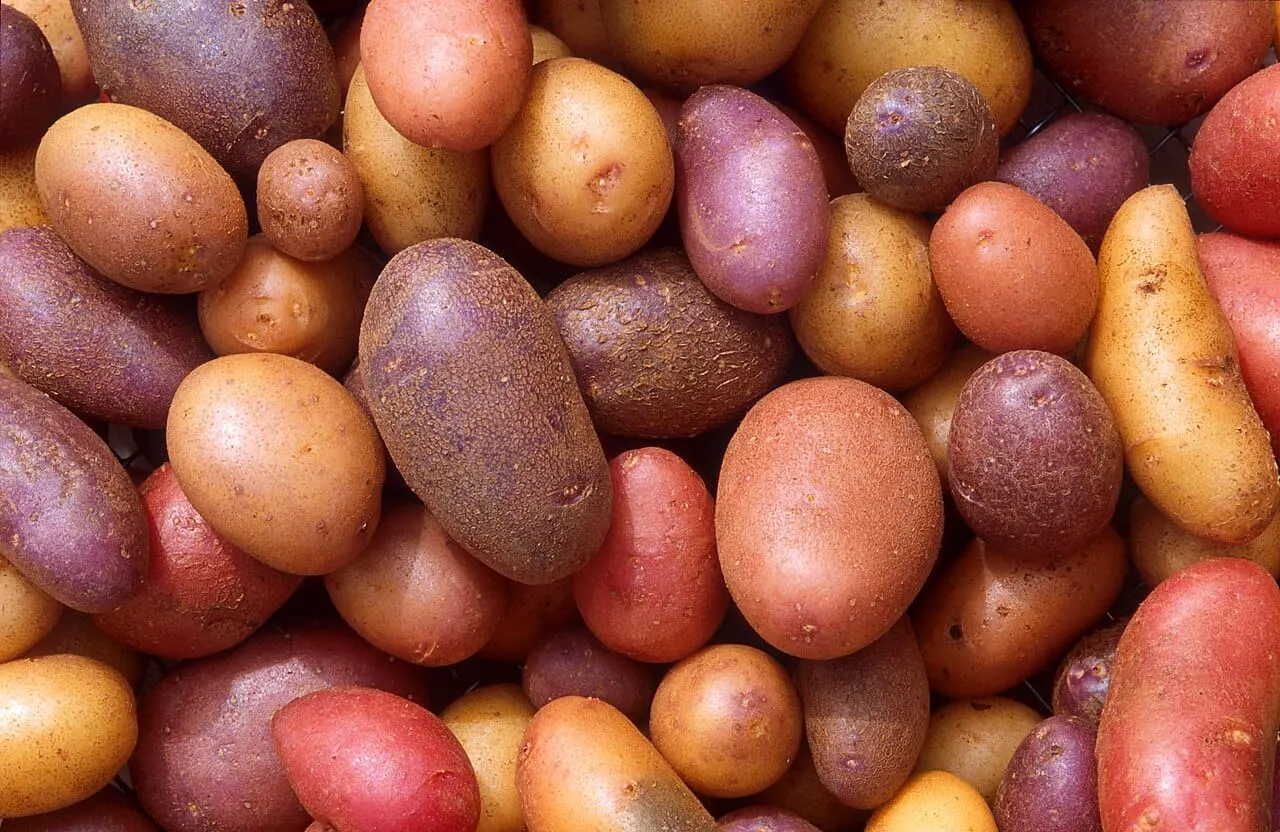
“An Acre of Potatoes”: Crops from the Americas in Afroeurasia
The Colombian Exchange and why the Irish adopted potatoes
“Pleased with the Gujarati pilot”: Muslim Knowledge Facilitating European Navigation
The Gujarati Pilot who helped Vasco da Gama reach India
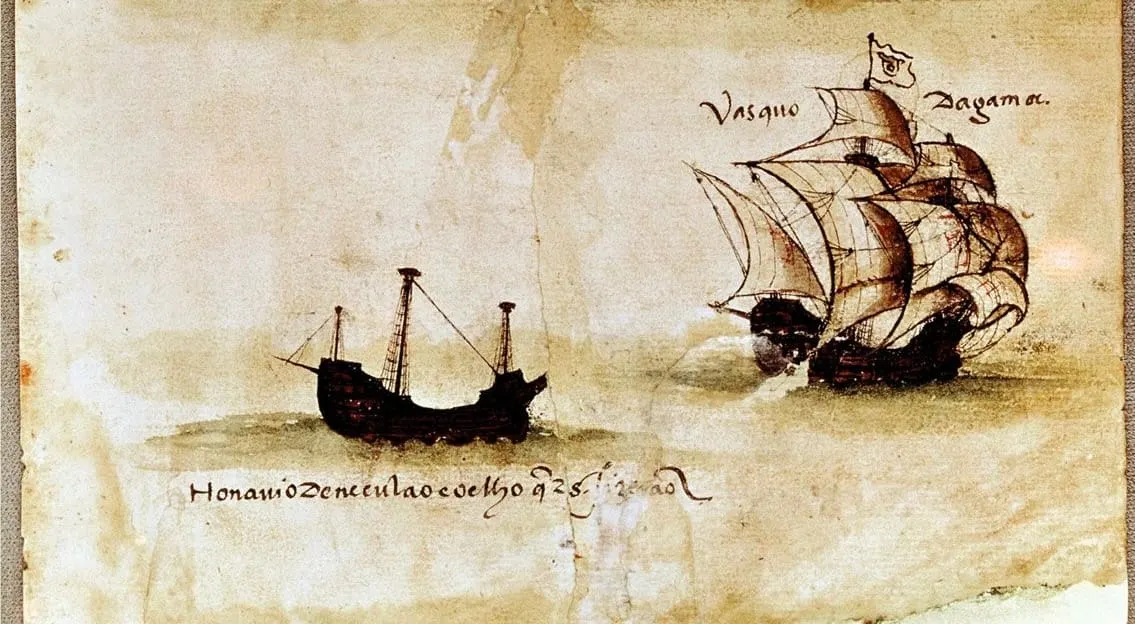
Europeans Didn’t Discover the World
It’s time to stop calling it an “Age of Discovery” or an “Age of Exploration”

“Souls are neither Male nor Female”: Teaching Global Feminism in World History, c.1750 to Present
Discussion of teaching global feminism from 1750 to present