“These New Rulers are Quite Alien”: Indian Views of Europeans in the Late 1700s
How did Indians view Europeans in the late 1700s?

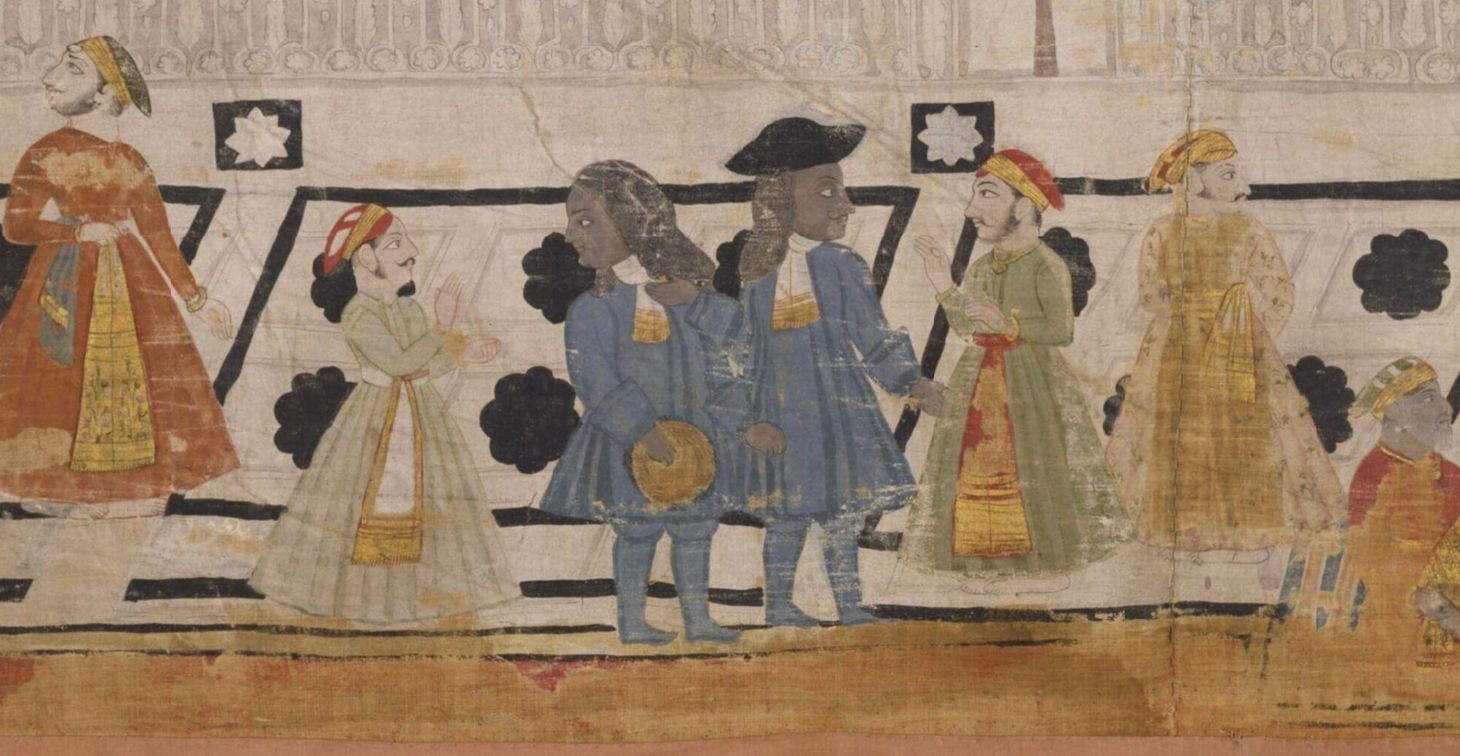
A few weeks ago, I was looking at Instagram and came across an amusing Indian painting from the late 1700s. The picture had almost no details, but it definitely was making fun of Europeans. As someone who has regularly written about resistance to European imperialism, I found this painting especially intriguing. In the late 1700s, the British were still in the early stages of conquering India. While the British had gained control over some parts of India, people living at the time most likely didn’t imagine the British conquering all of South Asia.
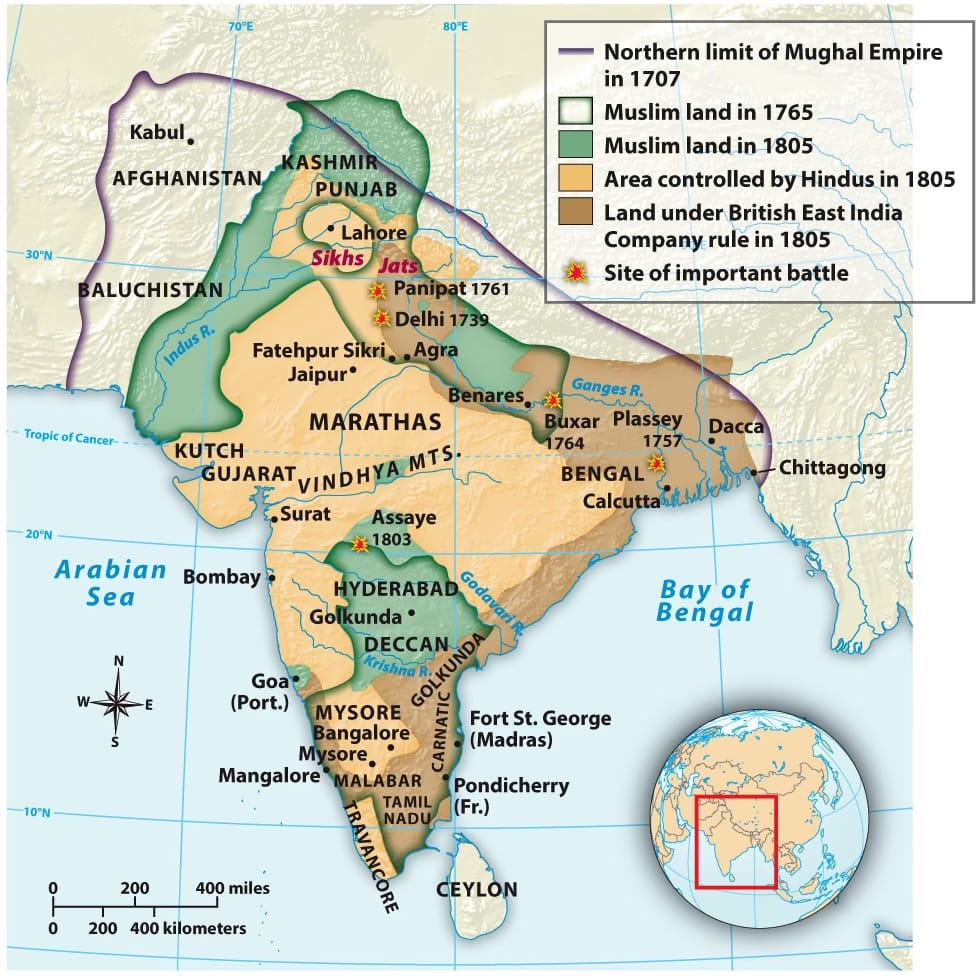
In this bonus post, I want to share a few textual and visual primary sources of Indian impressions of Europeans. Despite the British successes in India in the mid-eighteenth century, many Indians looked down on Europeans.
Ghulam Hussain Khan’s Views of the British
This Content is for Subscribers on the Superstar Club and Buy Me Dinner tiers
SubscribeAlready have an account? Log in