“They All Must Have Opium”: The Diversity of the British Opium Trade
Discussion of Teaching Indian Opium Production

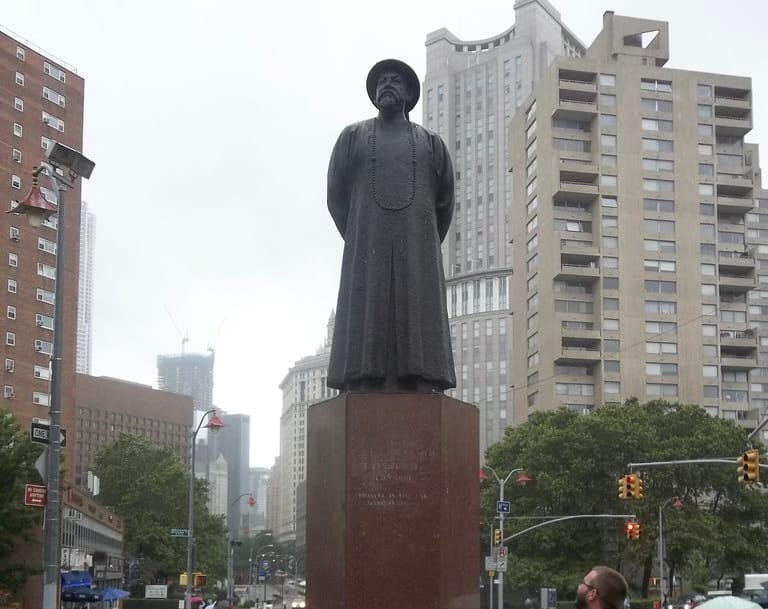
There is a familiar feel to how we teach the opium trade and how textbooks describe it. It starts with the British demand for tea and not wanting to export silver. We describe the gradual buildup of opium production in Bengal and the expansion of trade to China in the late eighteenth and early nineteenth centuries. Lin Zexu enters the story, and we finish with the First Opium War. The Second Opium War is almost an epilogue. I know that is how I taught the opium war for many years. My fun inclusion for my New York City students was Lin Zexu’s statue in Chinatown. It describes him as a “Pioneer in the War Against Drugs.” Anyone who grew up in the 1980s or 1990s probably remembers anti-drug commercials.
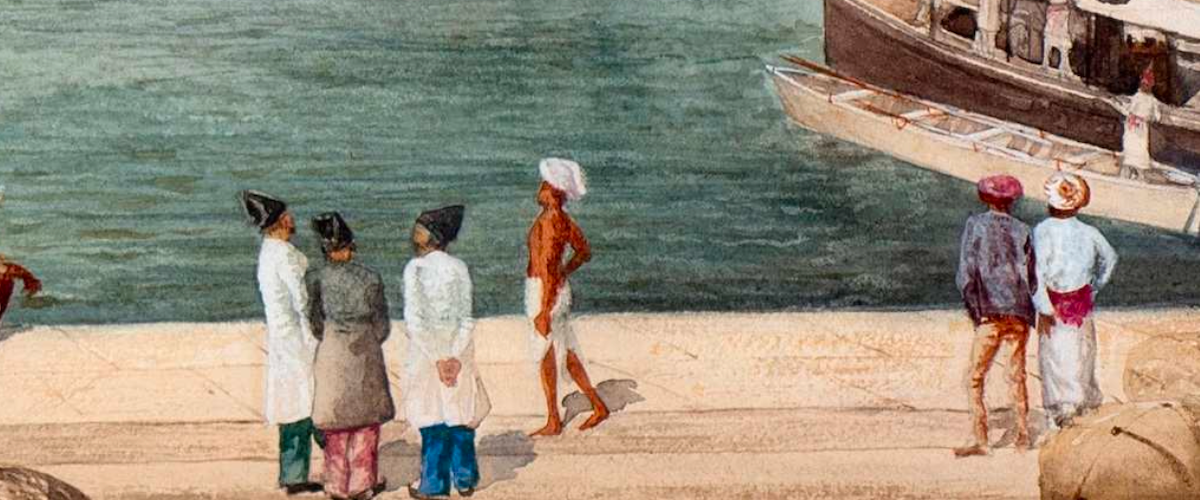
While the First Opium War was critical to the shift in power between China and Britain, the nineteenth-century opium trade also helps us understand how Asians adapted and sometimes thrived in European-dominated Asia. Instead of telling a simple story only involving the British selling Indian opium and the Chinese unsuccessfully fighting back, we have an opportunity to tell a more complex tale highlighting the critical role of opium in the nineteenth-century global economy and the significance of Asians to making this economy work.
Mixed Messages about Trade
This content is for Paid Members
Unlock full access to Liberating Narratives and see the entire library of members-only content.
SubscribeAlready have an account? Log in